

I took a sip of the Pinot Noir I brought to the gathering from the purple plastic cup I was carefully holding. My name was written in black Sharpie along the side to distinguish it from the other party cups.
A friend, whom I haven’t seen since the last party at the same house about a year ago, asked, “So, how are things?”
I paused, thinking about how to make my response sound more normal. “Well, I just got back from camping outside for 17 days with 10 high school students.”
I watched as the friendly smile from the friend turned to shock. “Oh my God,” they said, wondering why anyone would willingly commit to doing something like that for that long with kids. “Where did you guys camp?”
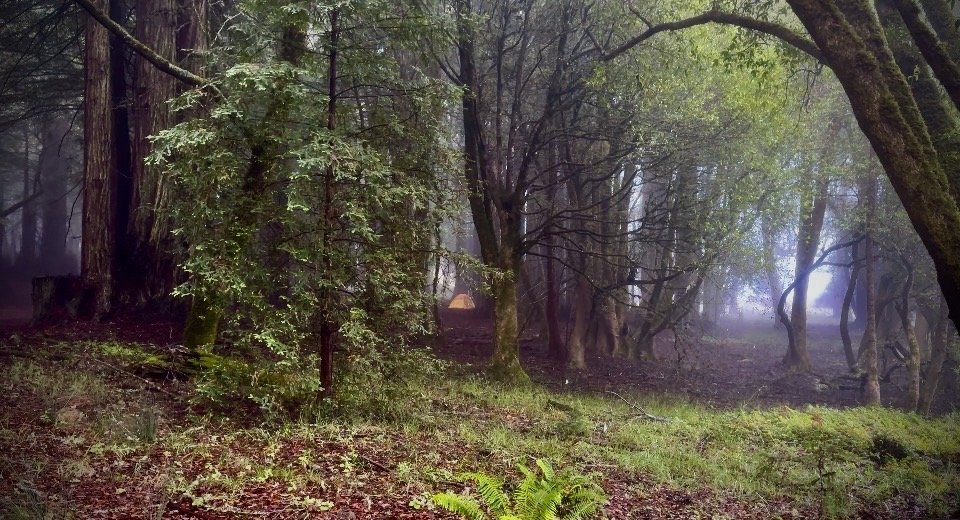
“We brought kids from Pasadena out to two Wildlands Conservancy preserves in Northern California, one in Jenner and the other in Trinidad. We did restoration work, trail building, water monitoring, Redwood planting, and squeezed in a college tour of Cal Poly Humboldt, a river kayaking tour, and class 3 & 4 whitewater rafting along the South and Middle Fork of the American River.”
We did work like thinning of invasive and second-growth trees in the Redwood Forest using hand saws and other tools to correct decades of logging. The students documented creek conditions in Jenner to pass on to the Department of Fish and Wildlife so they could come in and help protect Coho Salmon, which had been seen for the first time in 65 years last year following restoration efforts.
Students from the previous trip year were the ones to see the salmon once thought to be gone for good. Those students were able to conduct hands-on science tests and experiments, as did this year's students, who documented clearer water following last year’s students’ environmental restoration efforts.
This particular trip presents the opportunity for students to sample a career and gain experience in science and restoration, to see and hear from professionals in the field, the paths to working in the outdoors, and to surf the American River in whitewater rapids. It was a space where students could practice their leadership, strengthen their camping skills, and work on planning and time management.
What I learned over 17 days of camping with 10 students is that the key to preserving our planet's future is to engage and interest the future in protecting it. I saw that happening throughout the trip. I watched as several students’ eyes lit up at the possibility of moving to Northern California to study and immerse themselves in the outdoors. I listened to some students affirming their interest in environmental restoration work and getting their hands dirty in the soil.
For every comment from frustrated campers about how they don’t want to eat the dinner you made because it looked too healthy, but that they’ll eat PB&Js instead, there is a moment when a student tells you that they are having a great time, that they appreciate nature more, and that they are interested in going outside more after the trip in one way or another. It makes all the bickering and complaining worth it when you achieve what you set out to do.
To encourage scientific exploration and learning, strengthen outdoor skills, and inspire the next generation to develop a love for our natural world and help preserve our planet.