

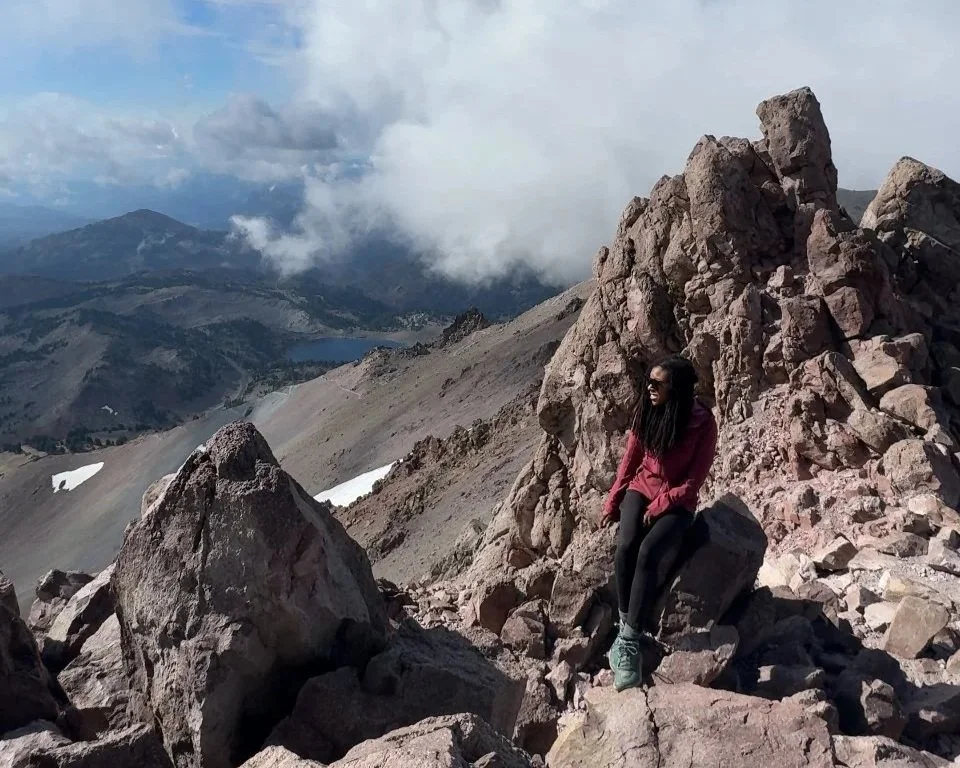
The air felt crisp and clear as I breathed deeply and exhaled. I tried to steady my breath as exhaustion set in. I was nearing the top of the rocky surface when my trekking poles hit melted, refrozen ice. In this area, you could see footprints from earlier hikers before they began to wander in every direction as the path to the summit grew less clear. I had to scramble over jagged rocks for the rest of my several-mile uphill journey, and in those moments I realized my vulnerability. What would I do if this volcano erupted while I was climbing it?
It shouldn’t erupt any time soon, but the Lassen Volcanic Center is still an active volcanic area. The last eruption of Lassen Peak took place in May 1915, sending ash over 30,000 feet high and triggering massive mudflows, but minor activity began in 1914 and lasted until 1917. People who had near misses with the volcano documented the eruptions as they went on, but it only made me think more about what could happen the next time that the volcano erupts.
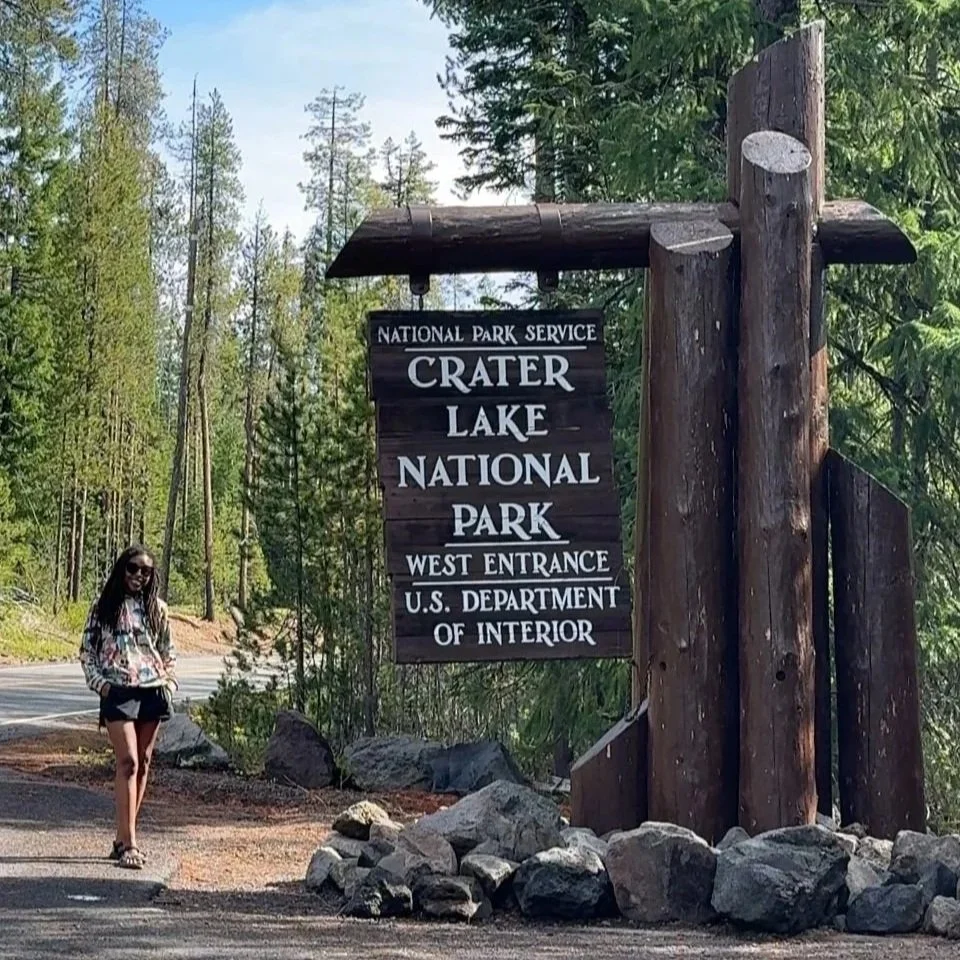
I had just arrived from a visit to Crater Lake, or Mount Mazama, in Oregon. The giant gaping hole in the earth I hiked the rim of held a Caldera lake formed after a massive collapse roughly 7,700 years ago. Hiking the rim of another active volcano, with its top blown off, also made me think about the next eruption. Ancient traditions often viewed fiery craters as doorways to the underworld. Fiery rivers poured from the center of the Earth to take what it pleased and wipe the slate clean for new life in return. Death, destruction, and then new life. I could feel the lingering power in the volcano’s silence.
As I moved along the trails that wove through unsuspecting trees, the towering rock-faced giants sat ominously, with more than magma brewing beneath the soil. The anticipation of possible superheated, fast-moving avalanches of gas, ash, and rock, and rapid mudflows of melted glacial ice that rush down river valleys, held fear of the unknown. These giants I hiked on seemed deceptive. Quiet on the outside with fiery power deep within, these volcanoes symbolize the dual forces of creation and destruction. The power we, as people, also have as we foster and create new life, preserve what is already here, and destroy the rest of the world as we leave it behind. The volcano reminds us that we can also grow from destruction. Just as a quiet mountain can suddenly erupt with molten lava to wipe out all forms of life and provide soil for new growth, a volcano symbolizes resilience, as life and fertile new beginnings can rise directly from total devastation.